
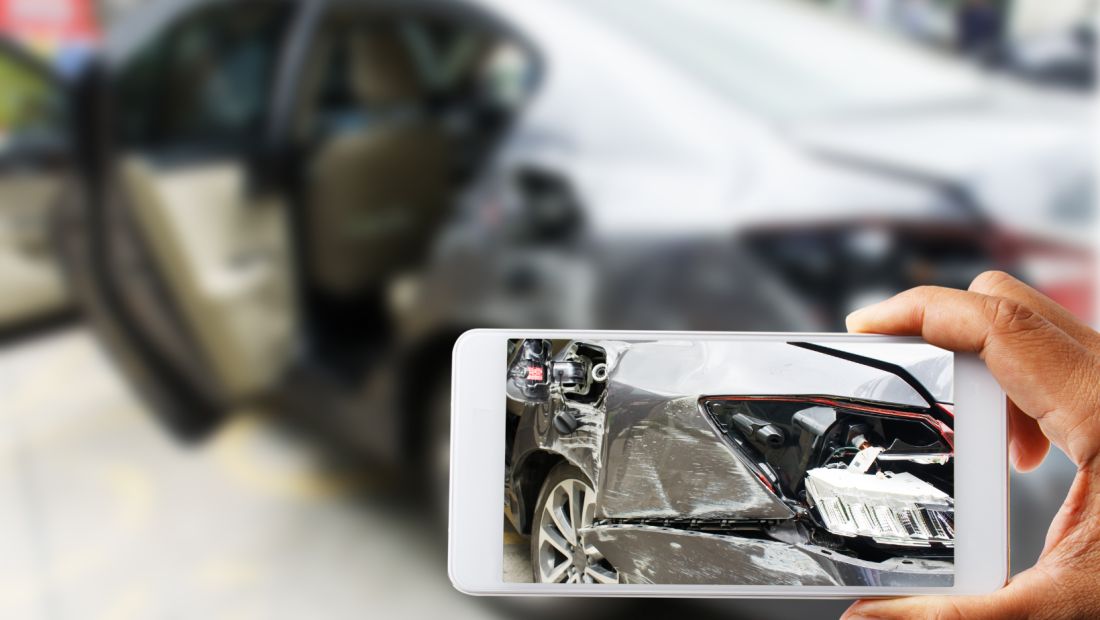
What to do if you’ve damaged a vehicle on lease
Firstly, it is best to assess the damage to the vehicle, minor scratches do not need to be reported. Most manufacturers use the rule of thumb on scratches. You probably won’t be charged if you can cover it with your thumb.
If you believe there is noticeable damage to your vehicle, we advise contacting the lease company to let them know what’s happened. The leasing company should be able to provide you with approved garages where you will be able to get your vehicle repaired.
It can be tempting to not report the damage to your vehicle at the time that it happens. However, you may be subject to a vehicle inspection at the end of the business lease and the damage will be picked up.
This may then be reported as ‘excess damage’ to the vehicle mostly likely resulting in a costly compensation bill. To avoid depreciation of your vehicle, report and fix the damage as soon as possible.
It is also important to report any accident to your insurance company. Outside of any repairs covered as part of the standard manufacturer’s / dealership warranty the lease holder is liable when covering the costs for any repairs to the vehicle. This may be different if you were involved in an accident where another driver is at fault, your insurance company will be able to provide further information on how to claim for the damage.
Be sure to get the flowing details in the event of an accident with another road user:
- Full name
- Contact details
- Insurance details (policy number)
- Make and model of the vehicle
Details of the accident (time of day, where it happened, how many cars were involved and how many passengers were in each vehicle, what happened, and extent of damaged caused with photos if possible)
Without the above it will be difficult to claim for repairs needed post-accident.
Even if you are not planning to claim on your insurance it is still important to inform your provider of what has happened, not making them aware of any accident can mean that your cover is invalid.
As previously mentioned, fair wear and tear of day-to-day usage is of course going to leave the vehicle slightly different to how you first received it. According to the BVRLA (British Vehicle Rental and Leasing Association) the following guidelines are implemented as part of the inspection:
- Vehicle Body (dents)
- Paintwork (scraped and scratches)
- Tyre Wear (including any cuts or bulges)
- Wheel rims (scrapes or dents)
- Internal condition (scratches, denting, rips, and cleanliness)
In line with the above, if the imperfections on your vehicle are considered ‘minor damage’, then there will be no additional charges for ‘excess damage’.
All in all, being quick to report any damage is your best bet.